The Loyalty Boom Is Real — Here's How to Make Sure You're the One Winning

Something Big Is Happening in the Rewards World
If it feels like every brand you interact with — your airline, your grocery store, your gas station, even your favorite fast-casual restaurant — is suddenly very interested in keeping you around, that's not an accident. We're in the middle of a full-blown loyalty program renaissance, and 2025 is shaping up to be the year it hits full stride.
Major players across travel, retail, and transportation have been quietly (and sometimes very loudly) investing in their rewards ecosystems. Delta has expanded SkyMiles partnerships. Starbucks overhauled its app experience. Amazon continues to deepen Prime's tentacles into almost every corner of daily spending. And airlines, hotels, and rideshare companies are racing to become the hub at the center of your financial life — not just a place you occasionally spend money.
So what's actually driving this shift? And more importantly — what should you, as a consumer, be doing about it?
Why Brands Are Choosing Loyalty Over Acquisition
For years, the dominant playbook in American business was growth through new customer acquisition. Spend on ads, attract new buyers, repeat. But that model has gotten brutally expensive. Digital advertising costs have surged. Consumer attention is fragmented. And research keeps confirming what many marketers quietly already knew: it costs five to seven times more to acquire a new customer than to retain an existing one.
The math finally caught up with the strategy. In an era of tighter margins and more cautious consumer spending, keeping a loyal customer happy is simply a better return on investment than chasing someone who's never heard of you.
This is especially true in travel and transportation. A frequent flyer who books six round trips a year is worth exponentially more than a one-time vacation traveler. A rideshare customer who rides three times a week generates more long-term value than someone who downloads the app once for a concert. Brands have woken up to this reality — and loyalty programs are their primary tool for locking in that recurring value.
AI Is Changing What 'Personalized Rewards' Actually Means
Here's where things get genuinely interesting — and a little bit sci-fi. The loyalty programs of 2025 aren't your parents' punch cards. Artificial intelligence and machine learning are fundamentally changing how brands understand and respond to individual customer behavior.
Instead of blanket promotions sent to every member ("Earn double points this weekend!"), sophisticated programs are now building individualized reward pathways. The system knows you always fly on Tuesday mornings. It knows you prefer aisle seats and tend to book three weeks in advance. It knows your hotel stays average four nights and that you almost always order room service.
With that data, brands can now offer hyper-targeted incentives — a bonus miles offer timed to when you'd normally book your next trip, a hotel upgrade triggered because you haven't stayed in two months, a rideshare discount pushed to your phone at 7:45 AM when you usually leave for the airport.
This kind of personalization isn't just a nice touch. It's a calculated retention strategy. And when it works, it genuinely feels like the brand knows you. That emotional connection is exactly what companies are paying for.
The Flip Side: What You Should Be Demanding
All of this investment in loyalty infrastructure sounds great for consumers — and in many ways, it is. But there's a flip side worth paying attention to.
When brands are collecting detailed behavioral data to personalize your rewards experience, you are also the product. Your spending patterns, travel habits, and preferences are enormously valuable. The question isn't whether companies are benefiting from your loyalty — they absolutely are. The question is whether you're getting a fair exchange.
Here's what savvy consumers should be asking of any loyalty program they join in 2025:
1. Is the earning rate actually competitive? Some programs look generous on the surface but have redemption values so low that the math doesn't add up. A program offering 10 points per dollar sounds great until you learn it takes 10,000 points to redeem for a $5 discount. Do the division before you commit.
2. Are the rewards flexible? The best programs let you use your points in multiple ways — travel, cash back, transfers to partners, merchandise. Programs that lock you into a single redemption path (especially one with limited availability) are working harder for themselves than for you.
3. Does the program respect your time and attention? If you're getting flooded with irrelevant offers and marketing emails that have nothing to do with your actual behavior, that's a sign the personalization is either underdeveloped or the brand is prioritizing volume over relevance. You deserve better targeting than that.
4. Are the elite tiers actually achievable? Many programs structure their top-tier benefits in ways that are only realistic for corporate travelers with expense accounts. If the perks you actually want require 75,000 miles a year to unlock, that program may not be built for you — and that's okay, as long as you know it upfront.
The Programs Worth Your Attention Right Now
Not all loyalty investments are created equal. Some brands are genuinely building better experiences for members. A few standouts in the current landscape:
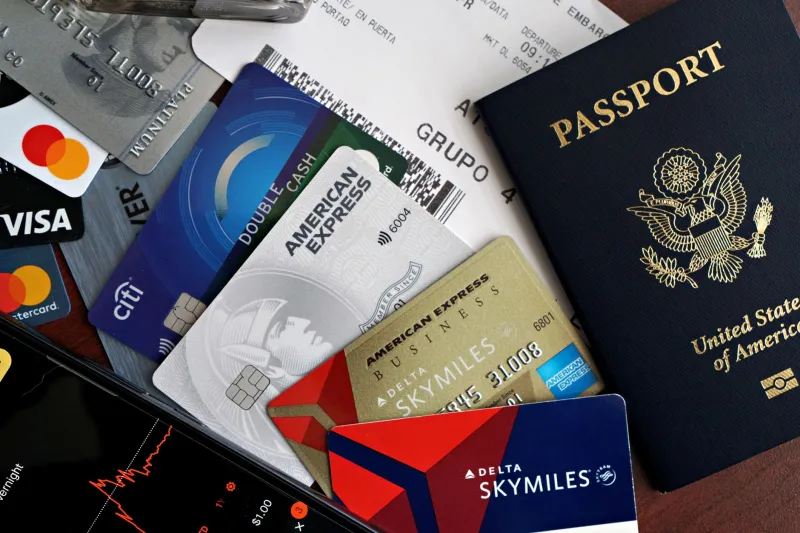
- Delta SkyMiles + Amex ecosystem: Delta's partnership with American Express continues to be one of the most integrated travel rewards setups in the US, with co-branded cards, lounge access, and status-boosting spend all working together.
- World of Hyatt: Consistently rated among the highest-value hotel programs for redemptions, especially for mid-tier properties where points stretch furthest.
- Uber One: Increasingly positioned as a lifestyle membership rather than just a rideshare perk, with savings on Uber Eats and active airline partnerships adding real everyday value.
- Target Circle: A sleeper hit in the retail space — free to join, genuinely useful cashback offers, and one of the better personalization engines in mass-market retail.
Be Selective. Be Strategic. Be the Customer They're Competing For.
Here's the bottom line: brands in 2025 want your loyalty more than ever, and they're spending real money to earn it. That puts you in a stronger position than you might realize.
You don't owe any company your repeat business just because they have a rewards program. You get to choose which programs actually serve your life — your travel patterns, your spending habits, your priorities. The brands making genuine investments in member experience are the ones worth riding with. The ones offering hollow perks and opaque redemption policies? Let them compete harder.
At Enjoy The Ride Rewards, we believe the journey should pay you back at every turn. The loyalty boom is real — and with a little strategy, you can make sure you're on the right side of it.