Rideshare Riders, You're Getting Shortchanged — Here's How to Fix That

Rideshare Riders, You're Getting Shortchanged — Here's How to Fix That
Let's be honest. If you're using Uber or Lyft on a regular basis — whether it's the Monday morning commute, a late-night airport run, or a weekend trip across town — you're probably spending a meaningful chunk of change every month. The average American rideshare user drops somewhere between $50 and $150 on rides monthly. Over a year, that's real money moving through your phone.
So why does it feel like you have almost nothing to show for it in terms of rewards?
The short answer: rideshare loyalty programs are, by design, not built in your favor. The longer answer is a little more interesting — and a lot more actionable.
The Dirty Secret About Rideshare Reward Programs
Uber has Uber Rewards. Lyft has its own points-based structure. On paper, both sound reasonable. In practice, they're among the weakest returns in the entire travel and transportation ecosystem.
Uber Rewards, for example, operates on a tiered system where you earn points per dollar spent — but the redemption ceiling is low and the path to meaningful benefits is long. Free rides are harder to unlock than the app would have you believe, and the program has shifted its structure multiple times, often in ways that weren't exactly user-friendly. Lyft's rewards have historically been even thinner, with perks that skew more toward discounts than genuine value accumulation.
Compare that to, say, a mid-tier hotel loyalty program where a few nights can unlock free stays, elite status, and room upgrades. Or airline miles, where the right redemption can get you a business class seat for a fraction of the cash price. Rideshare just doesn't compete — at least not on its own terms.
The problem isn't that you're using rideshare. The problem is that you're only using rideshare's own rewards structure to track that spending.
Credit Cards Are the Real Rideshare Rewards Engine
Here's where the smart money actually lives: your credit card.
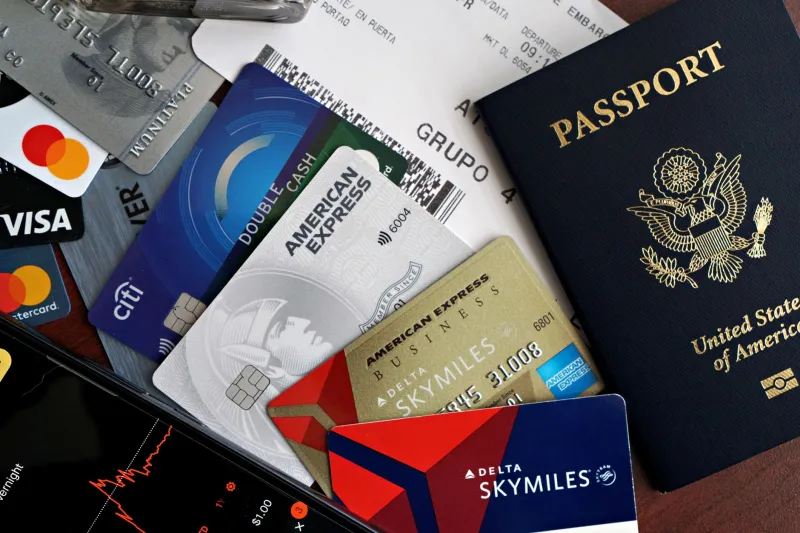
Several major credit cards offer elevated earn rates specifically on rideshare purchases, and this is where the real leverage is hiding. Cards like the Chase Sapphire Reserve earn 3x points on travel broadly, which typically includes rideshare. The Lyft Credit Card (issued through Chase) has offered as much as 5x points on Lyft rides, plus a free Lyft Pink membership. The American Express Gold card and Platinum card both have travel and transportation bonus categories worth exploring depending on your spending habits.
Even a general 2x or 3x travel card will outperform the native Uber or Lyft loyalty program almost every single time. And if those points funnel into transferable currencies like Chase Ultimate Rewards or Amex Membership Rewards, you've just connected your rideshare spending to a much bigger rewards ecosystem — one that can pay for flights, hotels, or future travel in ways a rideshare discount code never could.
The move here isn't complicated. It's just intentional.
Stacking Matters More Than You Think
One of the underused strategies in the rideshare space is stacking — combining the native app's loyalty structure with a rewards credit card and any available third-party bonuses simultaneously.
For example, during promotional periods, Uber has offered bonus Uber Cash or discounted rides for Uber One members. If you're paying for those rides with a card that earns bonus points on rideshare, you're doubling up on value from a single transaction. Lyft has run similar promotions through partnerships with Delta SkyMiles and other programs, meaning your Lyft spending could be quietly feeding your frequent flyer account if you've linked them correctly.
The key is setting it up once and letting it run. Link your travel rewards credit card as the default payment method in both apps. Check whether your airline or hotel loyalty program has an active rideshare partnership. Set a calendar reminder every few months to check for new promotions — these partnerships shift around more than most people realize.
The Commuter Case: Small Trips Add Up Fast
It's easy to think of rideshare rewards strategy as something that only matters for big spenders — people taking rides to airports or racking up long-haul trips. But commuters who rely on rideshare for shorter, daily trips are actually sitting on serious earning potential that most of them completely ignore.
If you're spending $60 a week on rideshare, that's $3,120 a year. On a card earning 3x points, that's over 9,000 points annually — potentially worth $90 to $180+ depending on how you redeem them. That's a free night at a decent hotel, a significant chunk toward a domestic flight, or solid statement credit that offsets future travel costs. From rides you were already taking anyway.
The ride itself isn't the reward. The strategy around the ride is.
What to Do Starting Today
You don't need to overhaul your entire financial life to start winning on rideshare. A few targeted moves will get you most of the way there:
- Audit your current card: Check whether your credit card earns bonus points on rideshare or general travel. If it doesn't, it might be worth exploring a card that does.
- Link your loyalty accounts: Both Uber and Lyft have partnership programs with airlines and hotels. Spend five minutes in your app settings making sure those connections are active.
- Pay attention to Uber One and Lyft membership perks: These paid memberships sometimes include enough in discounts and bonus earning to justify the cost — especially if you're a frequent rider.
- Track your rideshare spending separately: Knowing exactly what you spend monthly makes it easier to evaluate whether your current setup is actually working for you.
Rideshare is one of the most consistent spending categories in modern American life. The only thing separating riders who earn from riders who don't is a little bit of intention. Enjoy the ride — and make sure it's paying you back.