One Airline, One Card, One Big Mistake: Why Your Wallet Deserves More Flexibility
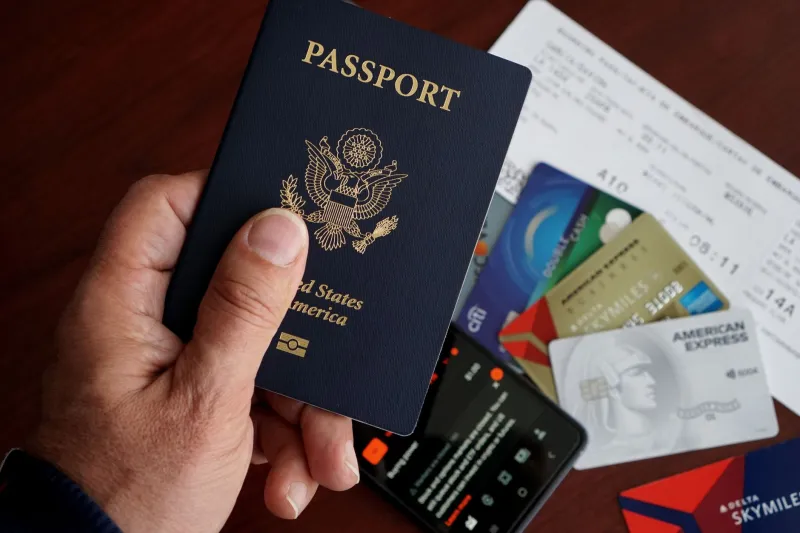
Loyalty is a virtue — until it starts costing you money.
If you've been carrying the same airline co-branded credit card for years, you might feel like you're doing the responsible traveler thing. You're racking up miles with your preferred carrier, inching toward elite status, and occasionally snagging a free checked bag. That's not nothing. But here's the uncomfortable truth: that single-brand commitment could be quietly costing you hundreds — sometimes thousands — of dollars in unrealized rewards value every single year.
This isn't about ditching loyalty altogether. It's about being smart about where you direct it.
The Appeal of the Airline Card (And Why It's Easy to Get Stuck)
Airline co-branded cards are genuinely good at one thing: making you feel like you belong. The Delta SkyMiles card, the United Explorer card, the American Airlines AAdvantage card — they all come with perks that feel meaningful. Priority boarding, free bags, companion certificates. If you fly one airline frequently, those benefits can offset the annual fee pretty easily.
The problem isn't the perks. The problem is the currency.
Miles earned on a co-branded airline card are locked inside that airline's ecosystem. Delta miles stay Delta miles. You can't move them to Hyatt when you want a free hotel night. You can't shift them to Singapore Airlines when you spot a first-class deal that makes your jaw drop. You're playing in a walled garden, and that garden has some real limitations — especially when your preferred airline's award chart isn't exactly generous.
Meet the Flexible Points Card
On the other side of the wallet sits a different kind of card: the transferable points card. Think Chase Sapphire Preferred, the American Express Gold Card, the Capital One Venture X, or the Citi Strata Premier. These cards earn points in their own currency — Chase Ultimate Rewards, Amex Membership Rewards, Capital One Miles, Citi ThankYou Points — and the magic is that you can transfer those points to a wide range of airline and hotel partners.
Chase, for example, lets you move points to United, Southwest, Hyatt, Marriott, Air France/KLM, and more. Amex connects you to Delta, Air Canada Aeroplan, British Airways, Hilton, and a dozen others. Capital One transfers to Turkish Airlines, Air Canada, and several more.
That flexibility is worth real money. Here's why.
A Side-by-Side Look at the Dollar Gap
Let's run a real scenario. Say you spend $50,000 a year on a co-branded Delta SkyMiles Platinum card. At a base earn rate of around 1 mile per dollar on non-bonus spend, you're walking away with roughly 50,000 SkyMiles annually.
Delta's SkyMiles program is notoriously dynamic — meaning award prices fluctuate and there's no fixed chart. A domestic round-trip that used to cost 25,000 miles might now price out at 40,000 or more depending on demand. At that rate, your 50,000 miles might get you one decent domestic round-trip. Value: roughly $350–$500 by most estimates.
Now run the same $50,000 through a Chase Sapphire Reserve, which earns 3x on travel and dining. If even $20,000 of that spend hits bonus categories, you're looking at 60,000–70,000 Ultimate Rewards points. Transfer those to Hyatt and you might book four nights at a category 4 hotel worth $250/night — that's $1,000 in value. Or shift them to Air France/KLM Flying Blue during a promo and snag a business-class redemption that would've cost $3,000+ out of pocket.
Same spending. Wildly different outcomes.
The Perks Comparison Isn't As Lopsided As You Think
A common pushback: "But my airline card gives me free bags and lounge access — that's worth something."
True. But many premium flexible-points cards have caught up fast. The Chase Sapphire Reserve includes Priority Pass lounge access. The Amex Platinum covers Centurion Lounges and a slew of airline lounges through its own network. The Capital One Venture X includes Priority Pass and Capital One lounges. Several of these cards also include travel credits, hotel elite status, and annual bonuses that easily offset their fees.
The free checked bag benefit is real — especially if you fly a specific airline constantly and check bags every time. But if that's the main reason you're holding onto a locked-in card, it's worth doing the math. Sometimes paying the bag fee and redirecting your spend to a more powerful card still comes out ahead.
When Sticking With One Airline Card Actually Makes Sense
To be fair, the co-branded card isn't always the wrong call. If you're chasing elite status and the card offers Medallion Qualifying Dollars or equivalent status-boosting perks, the math can shift. Frequent flyers who are one or two flights away from hitting a status tier that unlocks systemwide upgrades have a legitimate reason to concentrate spend.
Same goes if you're a road warrior who flies one airline exclusively for work, lives near a hub, and maximizes every single card benefit. In that case, the ecosystem perks can genuinely stack up.
But for the average American traveler — someone who takes four to eight trips a year, maybe splits between two or three carriers, and also stays at hotels — a flexible-points card almost always wins.
How to Audit Your Wallet Right Now
You don't have to blow up your entire setup. Start with a simple audit:
- List what cards you're holding and what currency they earn.
- Check your redemption history — when did you last actually use your miles, and what was the per-mile value you got?
- Look at your transfer partners — does your current card give you access to the programs you actually want to book through?
- Compare your annual spend by category — are you earning bonus points where you spend the most, or are you getting 1x on everything?
If you're earning 1x miles on every grocery run and gas fill-up and those miles are locked to one airline you fly three times a year, that's a signal. A flexible card with 3x or 4x on dining and groceries, transferable to multiple programs, is almost certainly leaving you in a better spot.
The Takeaway: Loyalty Is Smart — Blind Loyalty Isn't
At Enjoy The Ride Rewards, we're big believers in earning on every mile, every dollar, every trip. But earning well means choosing the right tools. A co-branded airline card is a tool. A flexible-points card is a different tool — and for most travelers, it's the sharper one.
You don't have to abandon your favorite airline. You just might want to stop letting that airline control your entire credit card strategy. Keep the co-branded card for the status perks if you need it, but let a flexible-points card do the heavy lifting on everyday spend.
Your wallet should work as hard as you do. Make sure it's actually keeping up.